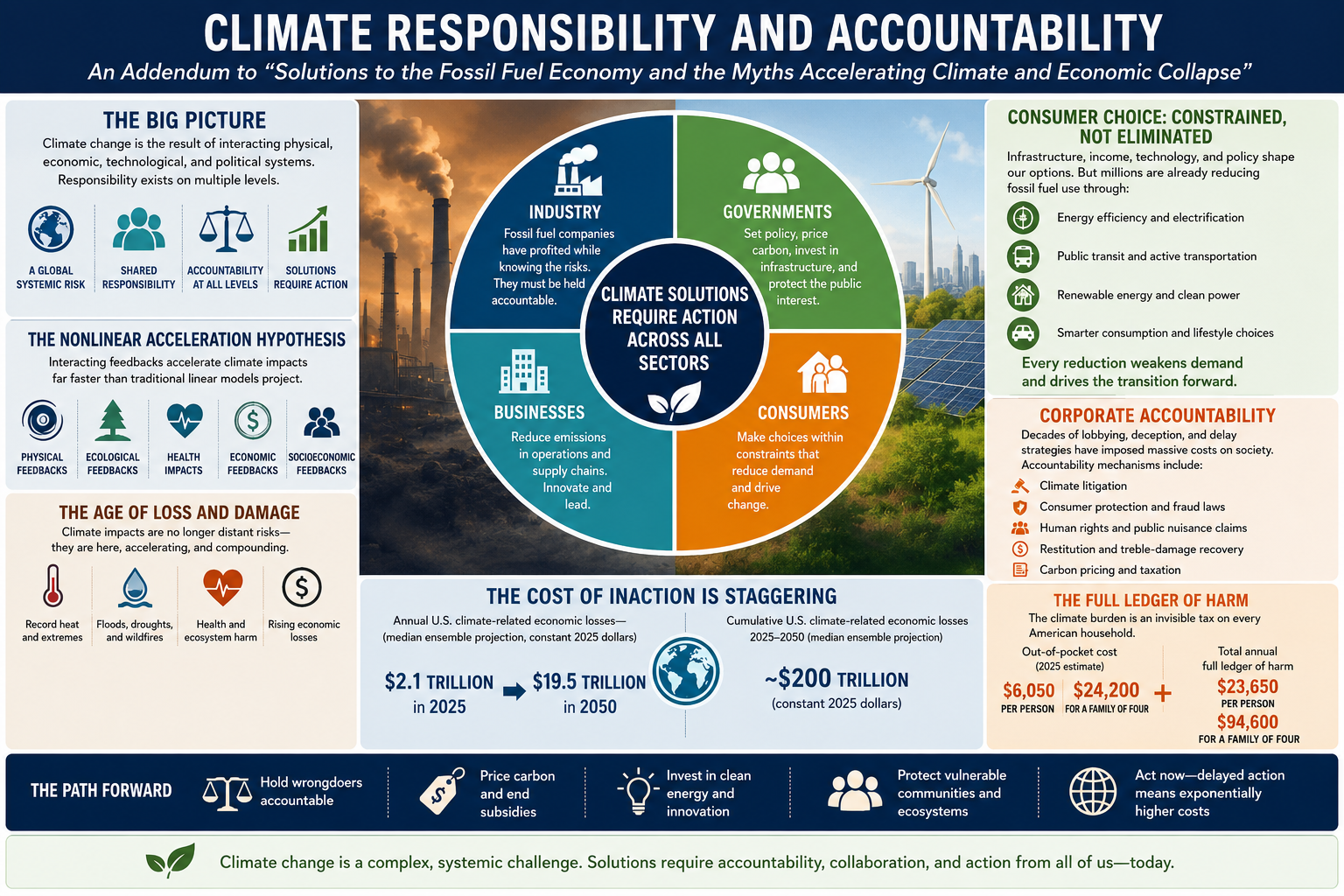
Climate change is no longer only an environmental challenge—it is becoming a growing financial challenge for households everywhere.
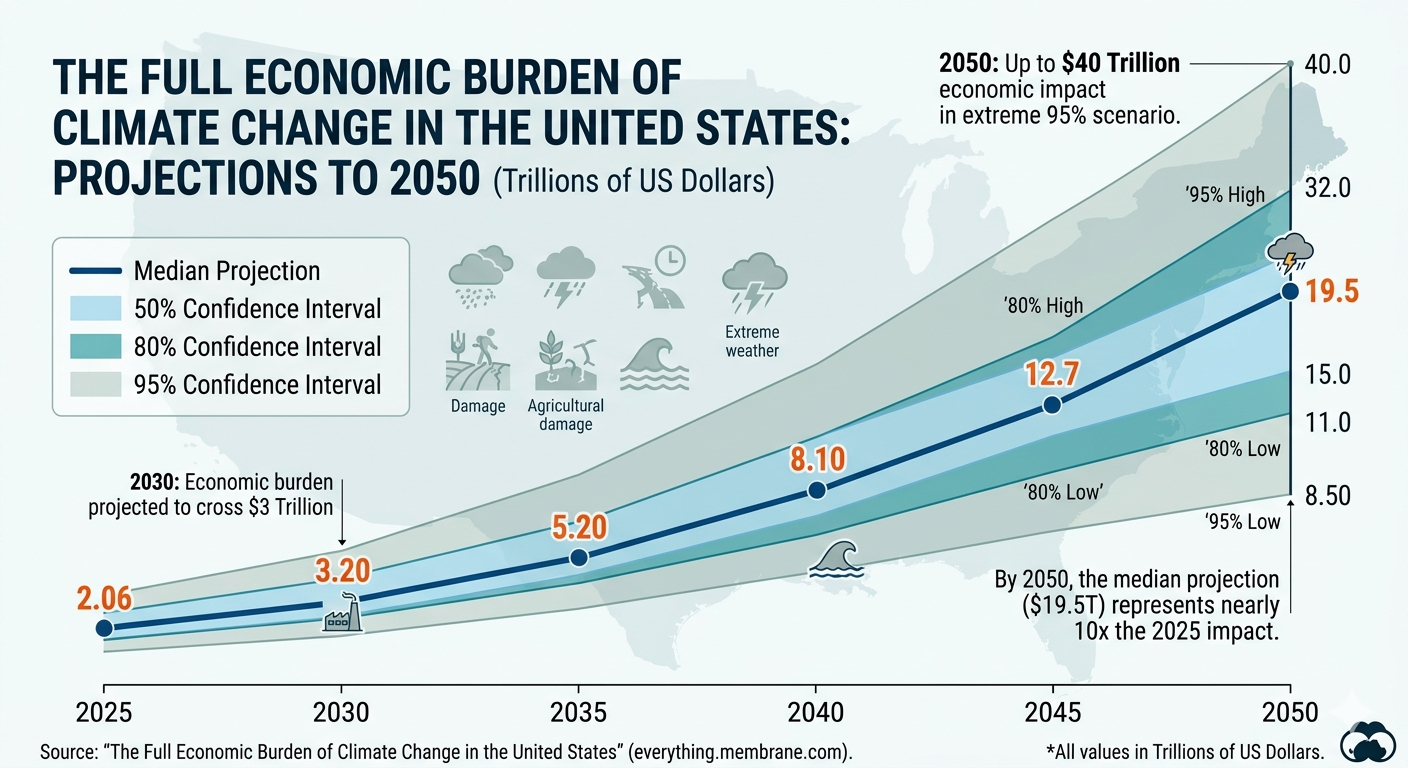
While headline inflation may appear moderate, the costs most affected by climate change are rising faster than many household incomes.
🔥 Extreme heat is increasing electricity demand and stressing energy infrastructure.
⛈️ Severe storms and hail events are driving higher comprehensive auto insurance costs.
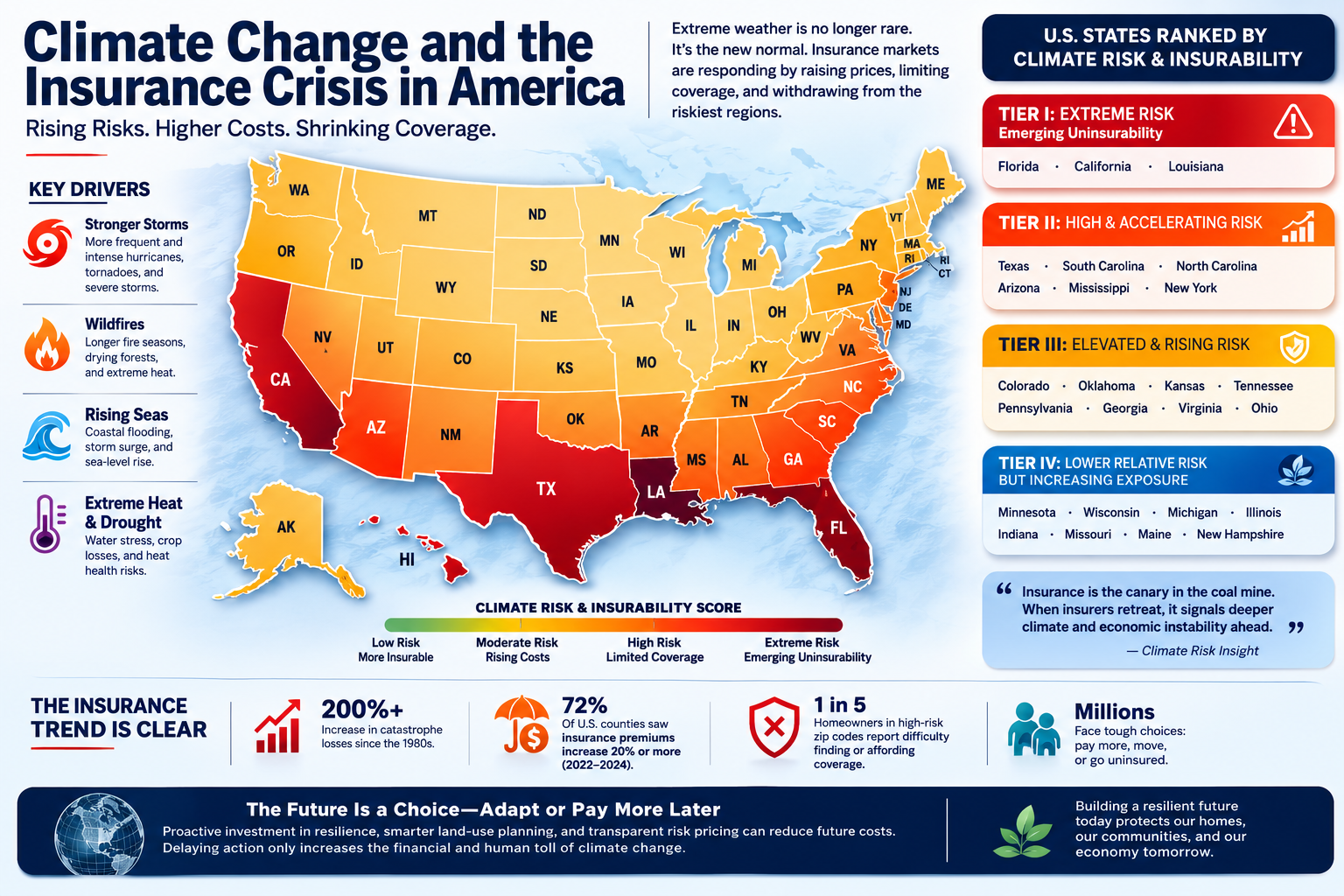
🏠 Floods, hurricanes, wildfires, and extreme weather are pushing homeowners insurance premiums higher.
🌾 Droughts, floods, and shifting growing conditions are increasing food-price volatility.
🔨 Climate-related damage and rebuilding costs are raising housing expenses.
A new economic reality is emerging:
Climate-sensitive expenses are becoming a larger share of household budgets.
The financial impacts of climate change are not limited to major disasters. They appear in recurring expenses—monthly utility bills, insurance premiums, repair costs, and the price of everyday goods.
Building financial resilience means preparing for this changing economic landscape:
✅ Reduce high-interest debt
✅ Build emergency savings
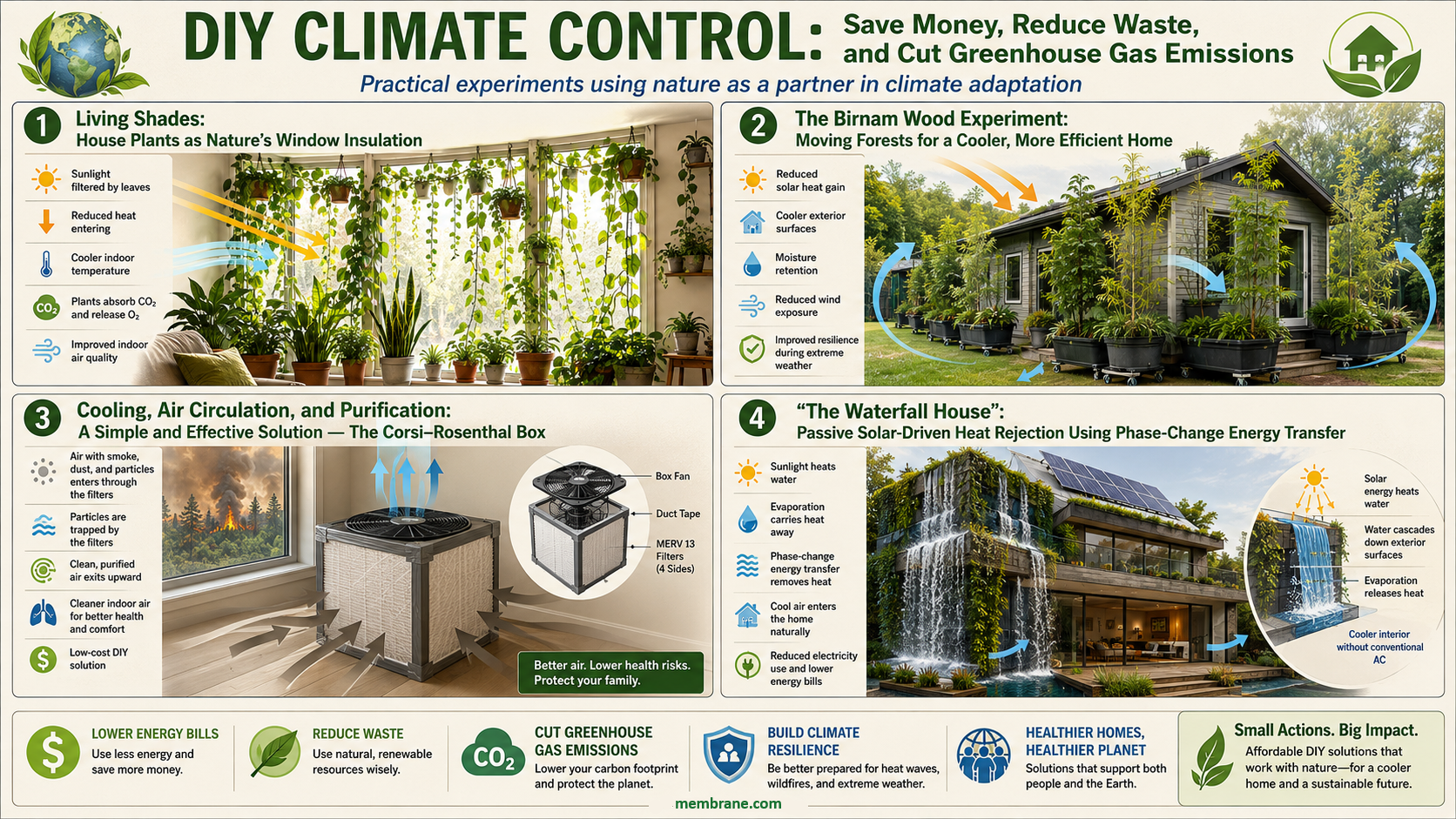
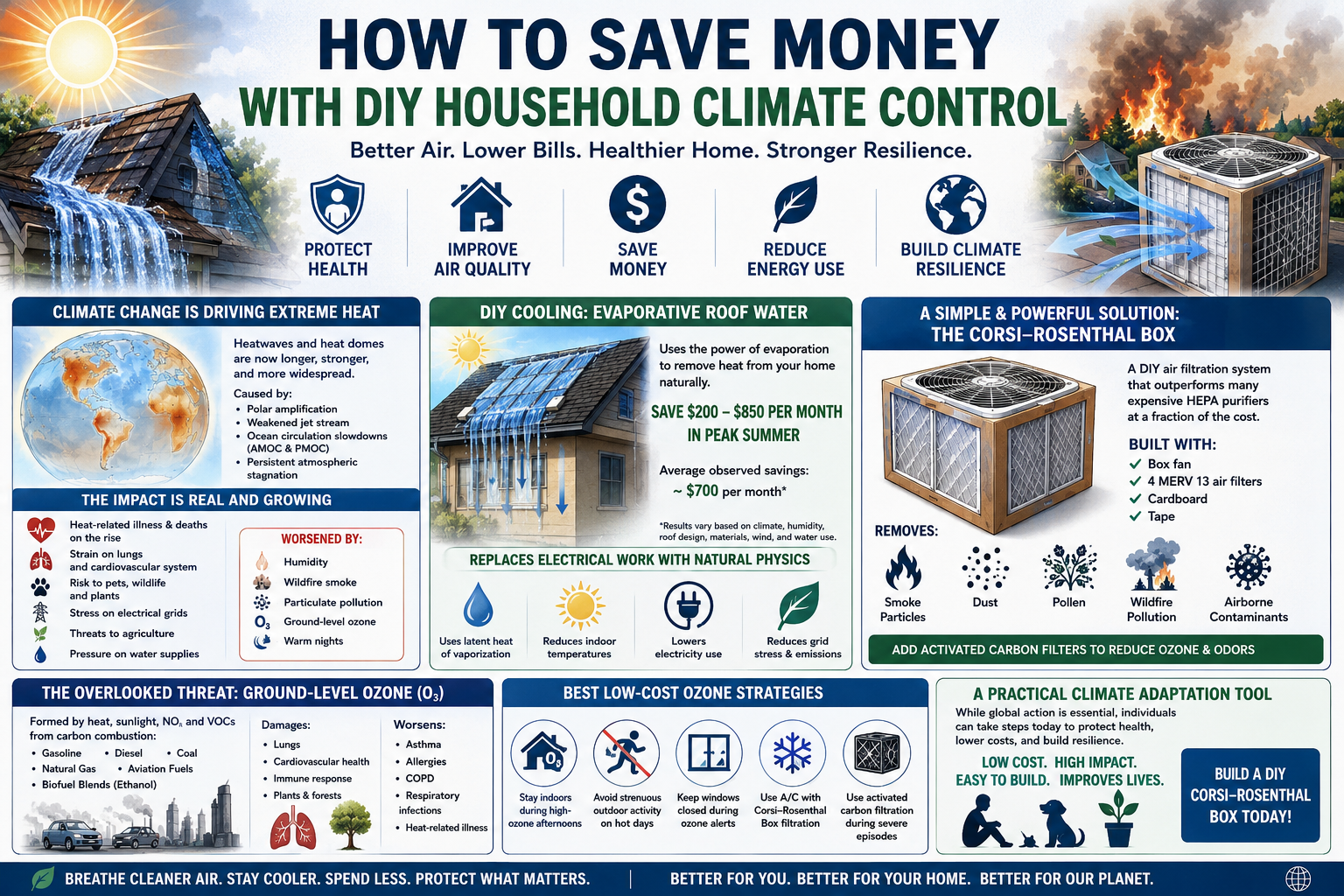
✅ Improve home energy efficiency
✅ Review insurance coverage
✅ Invest in weather protection and resilience
✅ Plan for increasing climate-related costs
Climate change is reshaping not only our environment, but also the economics of everyday life.
📊 Read the full report:
“Climate Change and Personal Finances: Managing Household Costs in an Era of Rising Climate Risk”
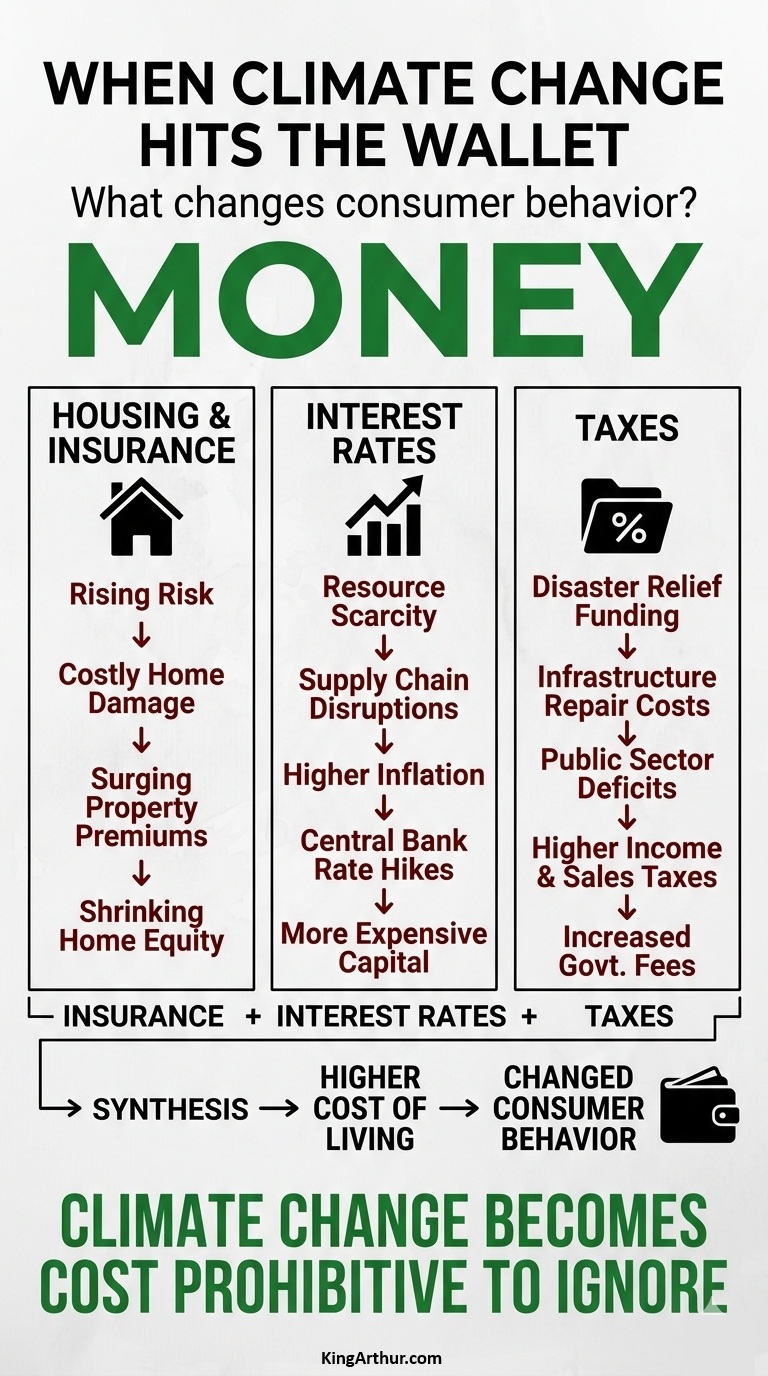
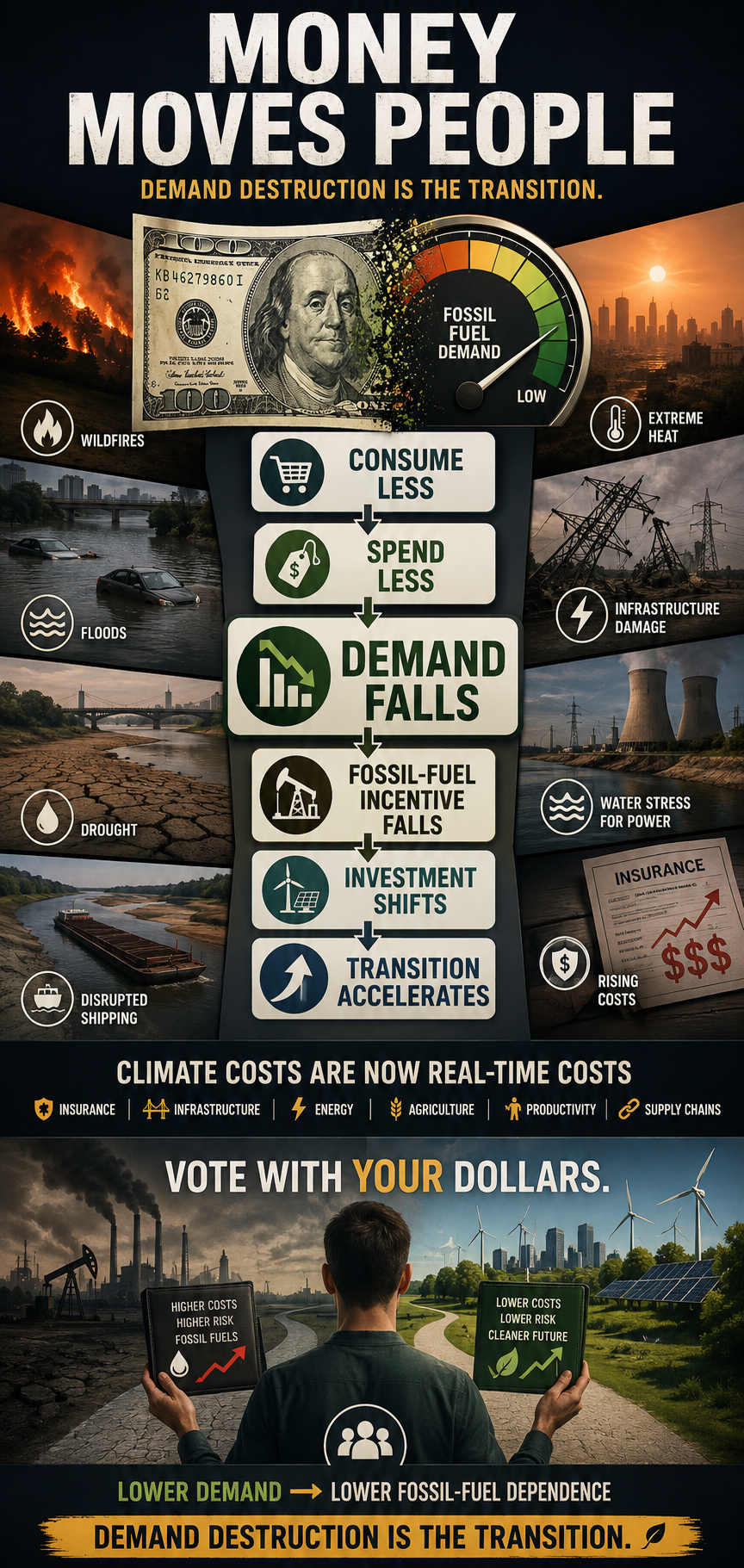
What will actually change consumer behavior when it comes to climate change?
💰 Money.
Insurance. Interest rates. Taxes.
For years, climate change was largely treated as an environmental issue. But that is changing as climate risk increasingly enters the household economy.
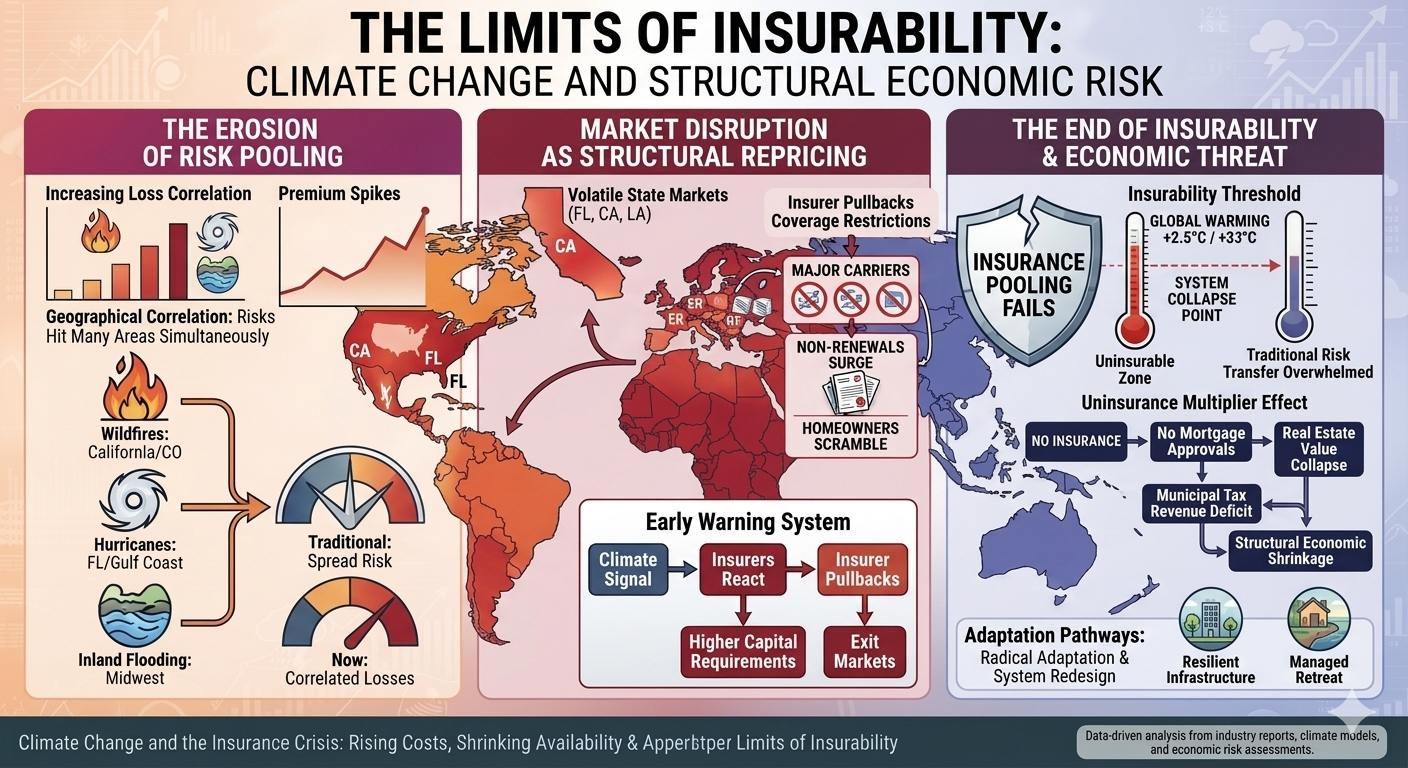
🏠 Insurance premiums and availability are being affected by rising climate risks.
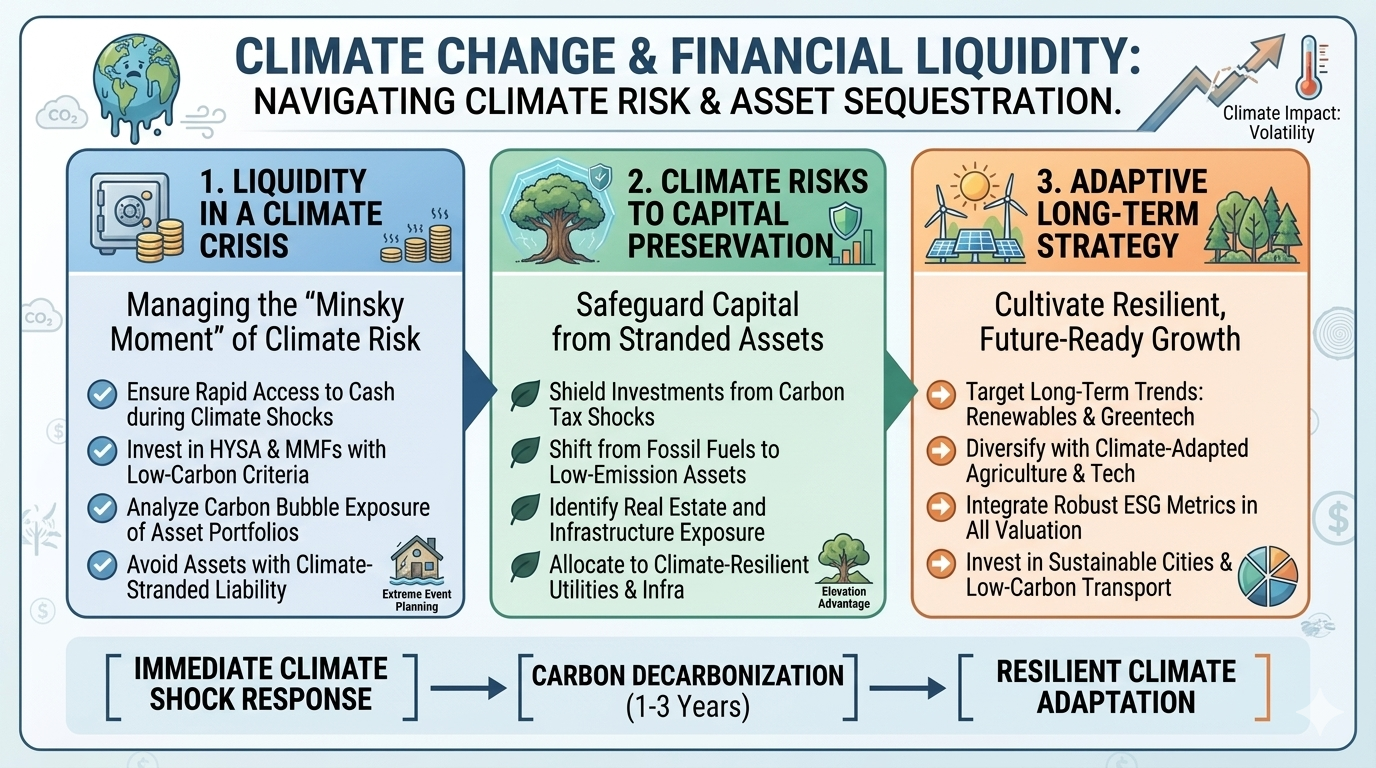
💰 Climate-related economic and fiscal pressures are affecting the cost of capital.
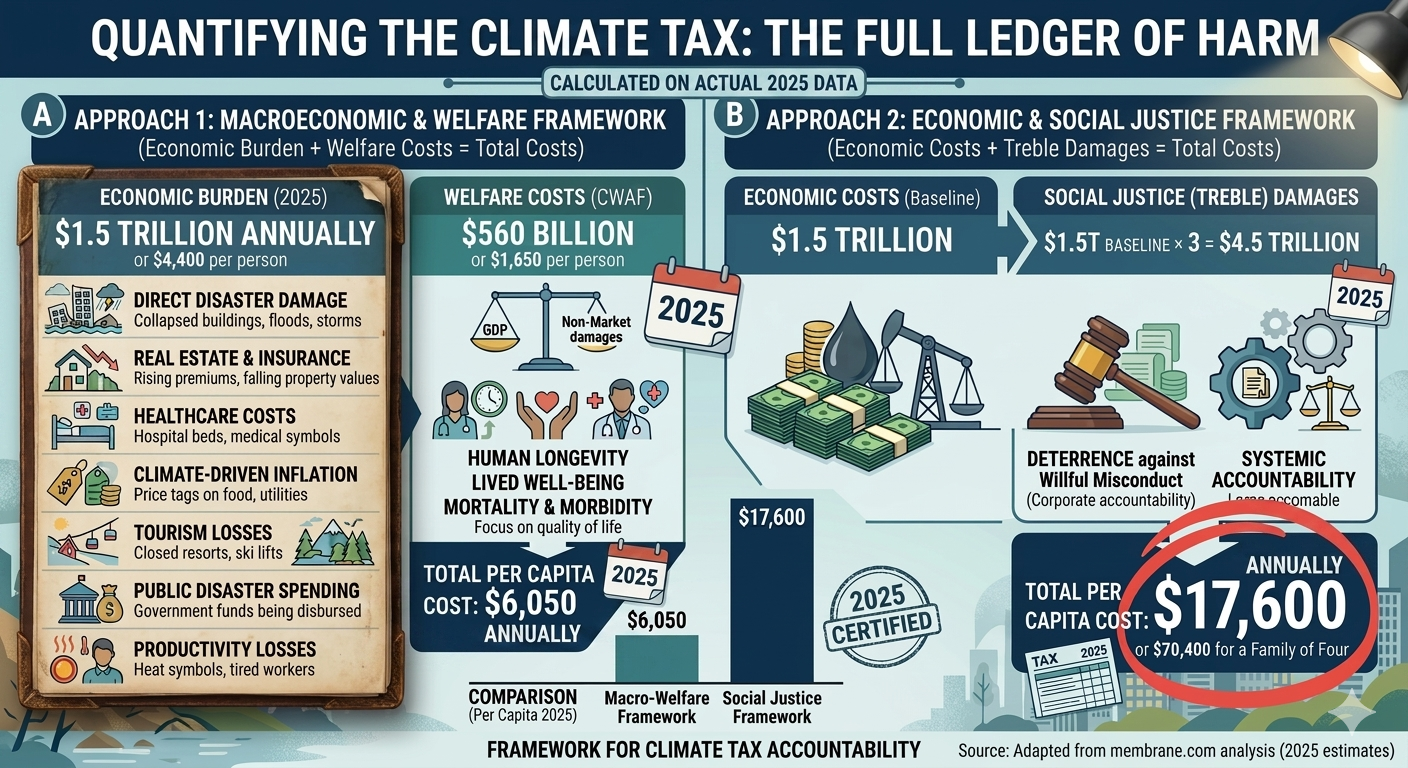
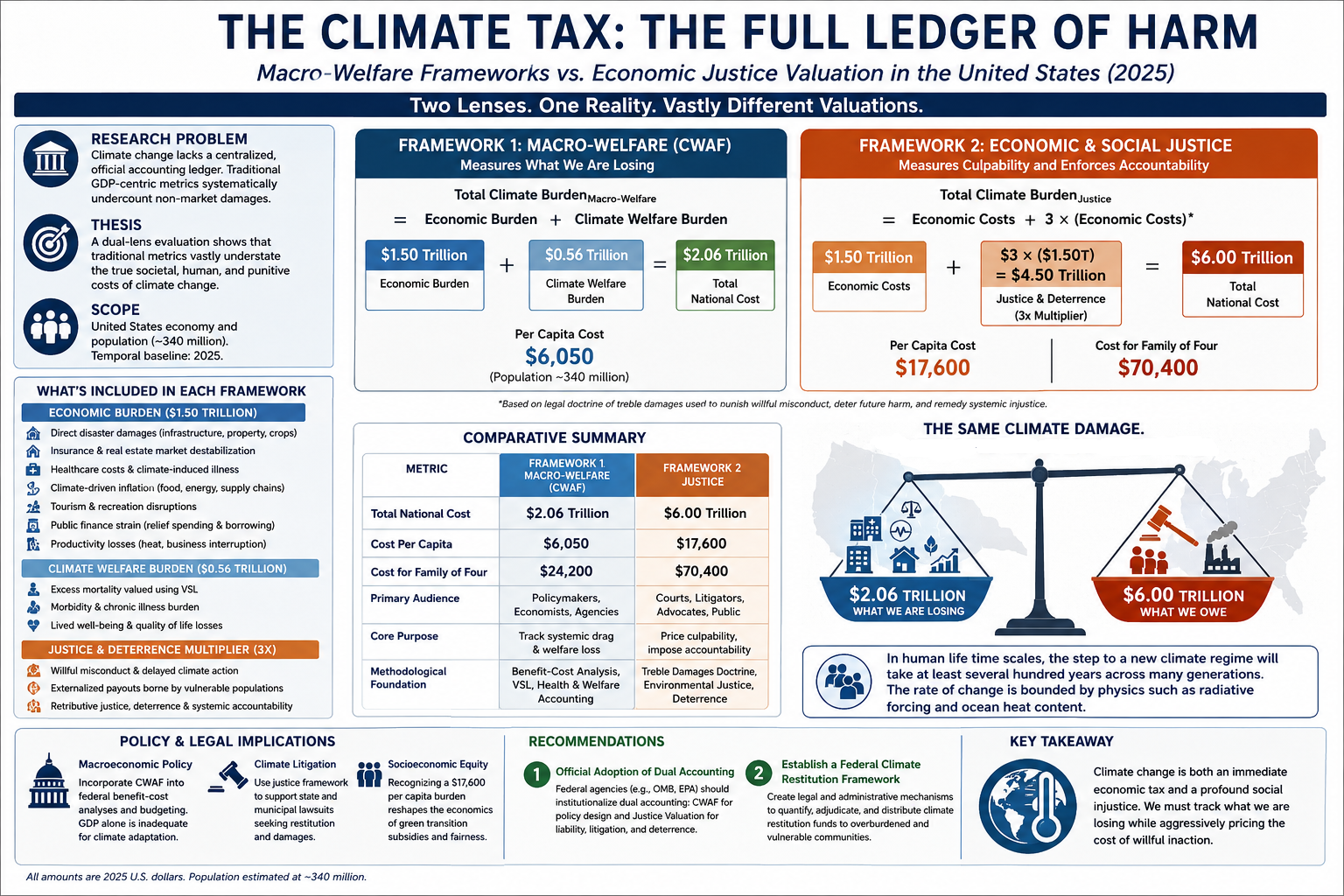
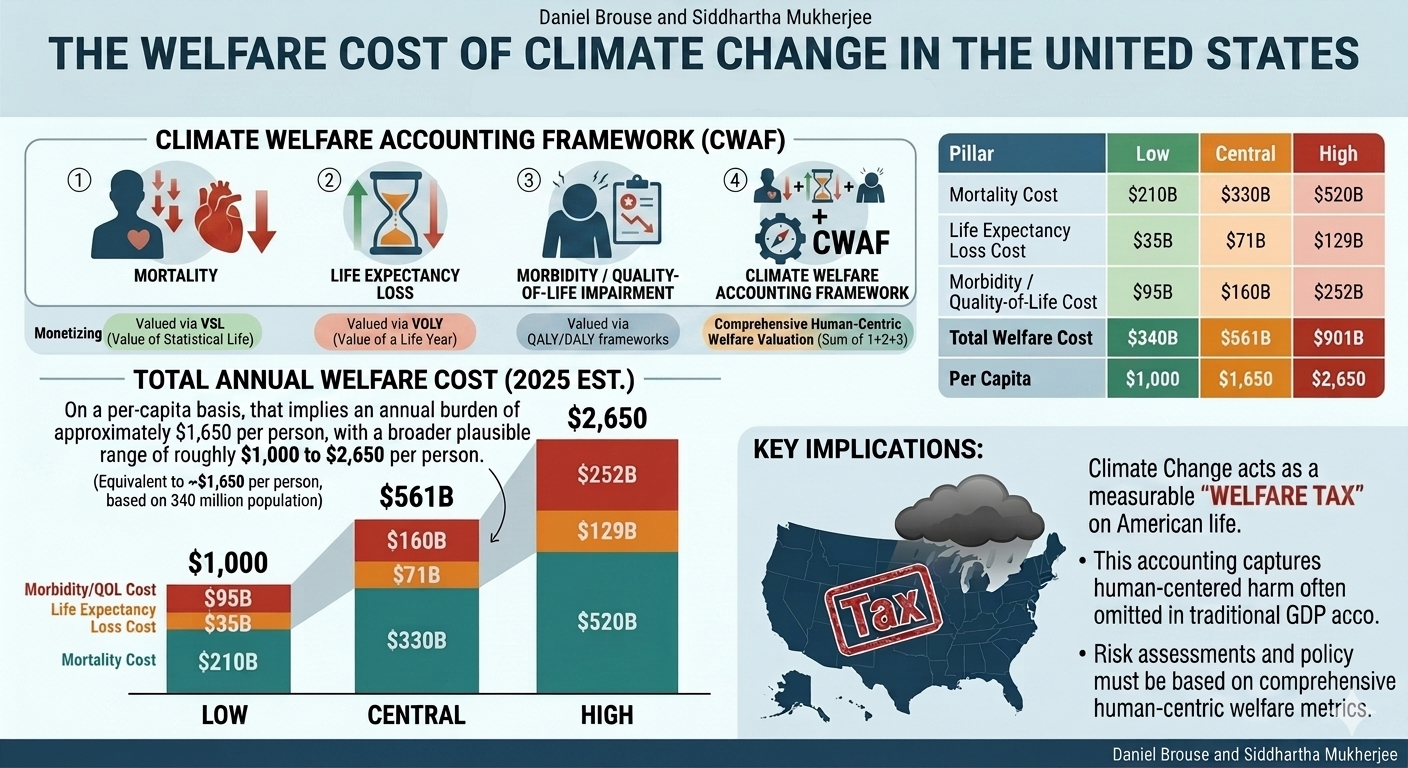
🧾 The growing costs of climate damage, adaptation, infrastructure, and energy transition are increasingly flowing through tax systems.
These forces can reinforce one another:
Climate change → financial disruption → higher household costs → changed consumer behavior
Consumers may ignore a temperature graph. They are much less likely to ignore an insurance cancellation, a higher mortgage payment, or a rising tax bill.
Climate change does not have to be universally accepted before it changes behavior.
It only has to become cost prohibitive to ignore.
Read the full report: “When Climate Change Hits the Wallet: Insurance, Interest Rates, and Taxes”
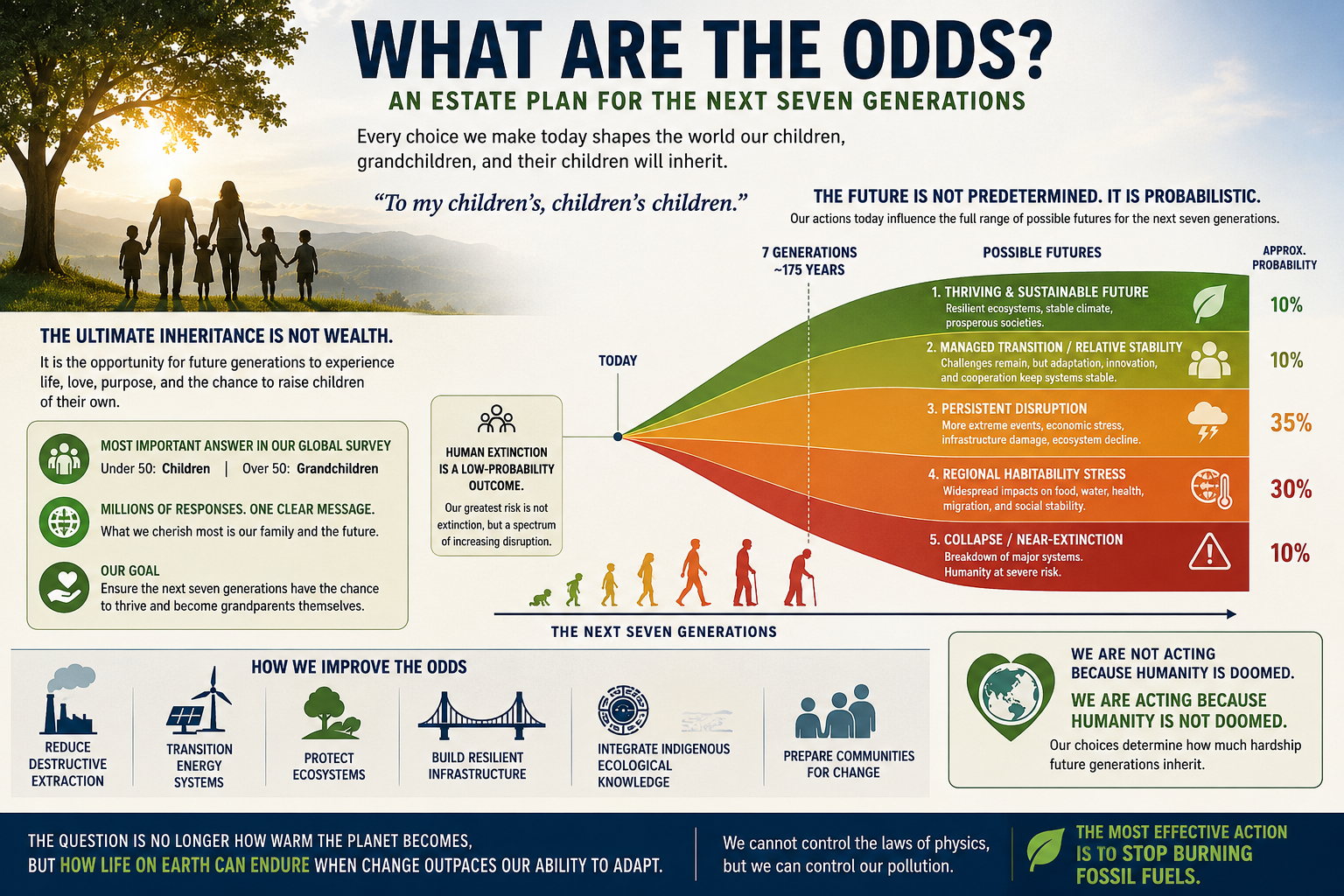
The ultimate estate plan is remarkably simple:
To my children’s children’s children.
The greatest inheritance most of us hope to leave is not a larger bank account. It is the chance for our descendants to raise children of their own, watch them grow, and someday become grandparents themselves.
The question is no longer: How hot is the planet warming?
The more important question is:
“How difficult do we want life to be for the next seven generations?”
“Universal Estate Plan: What Are the Chances Your Descendants Will Inherit a Habitable World?”
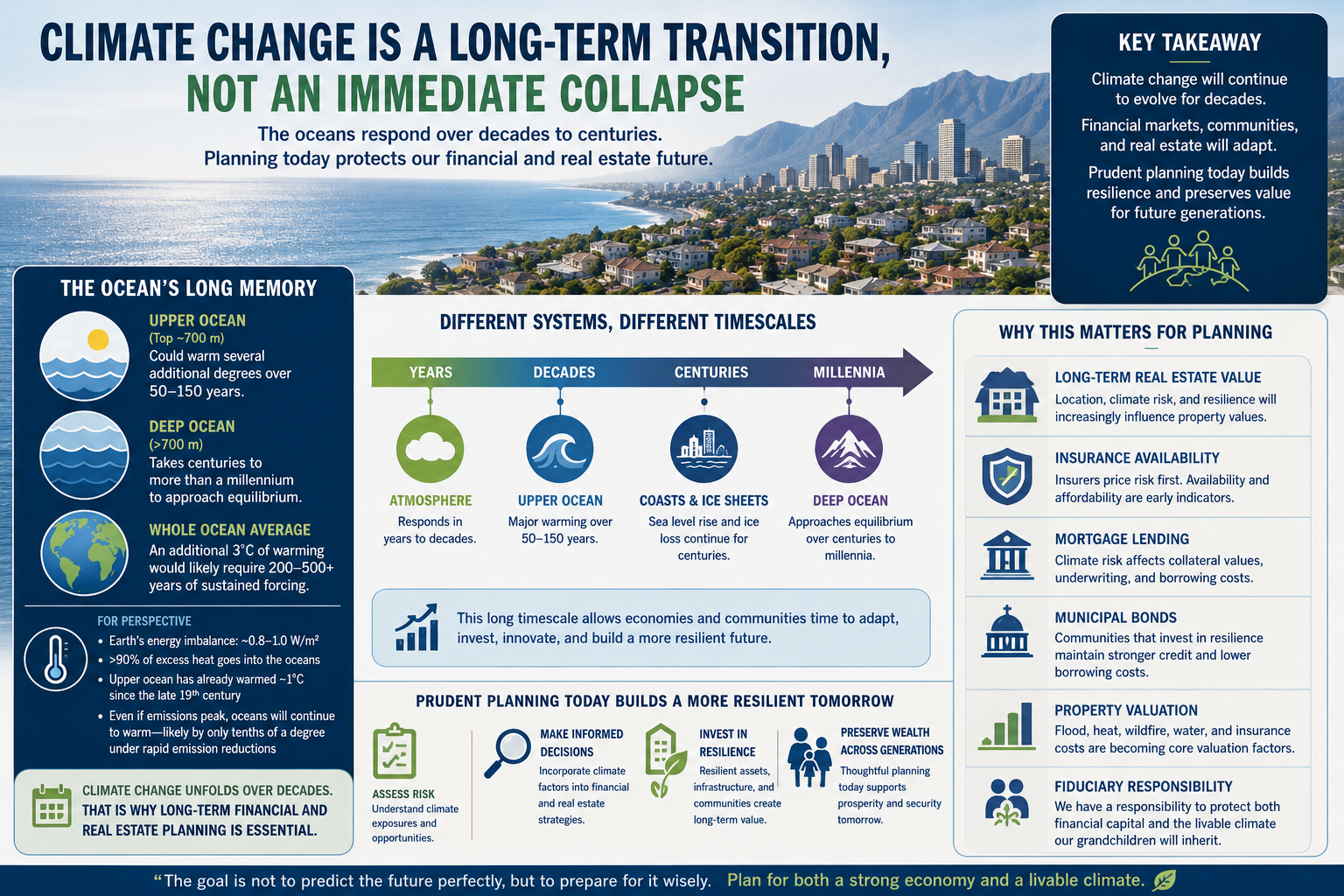
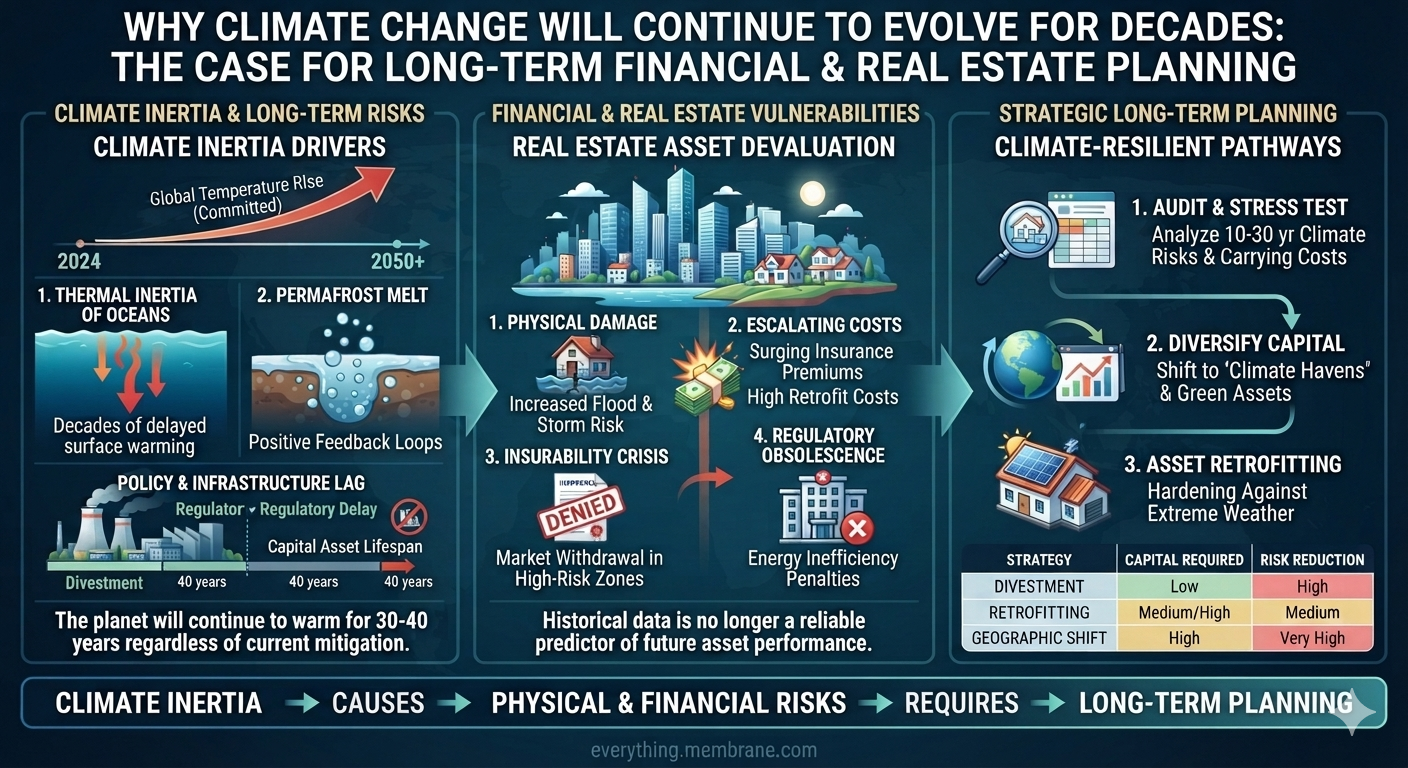
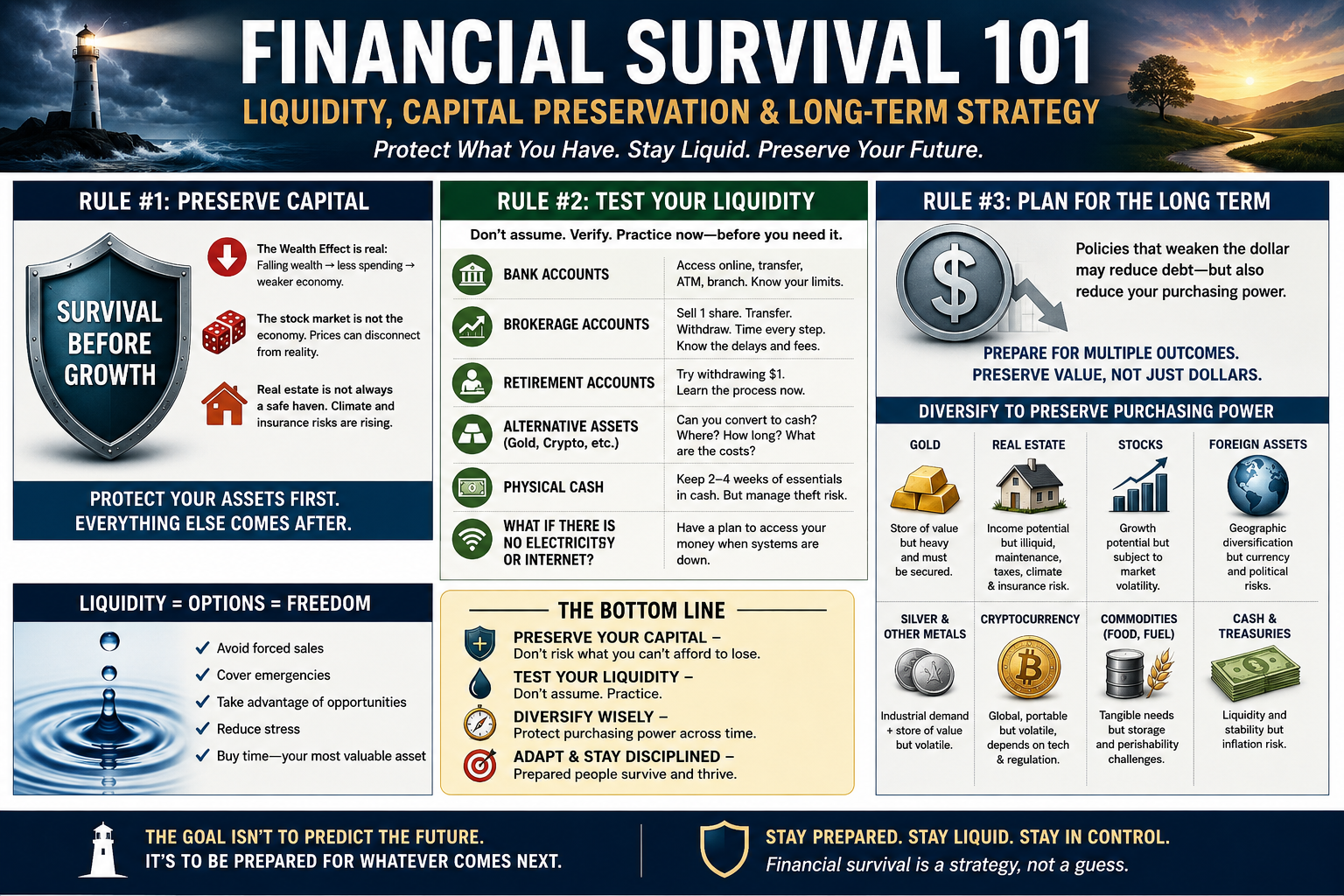
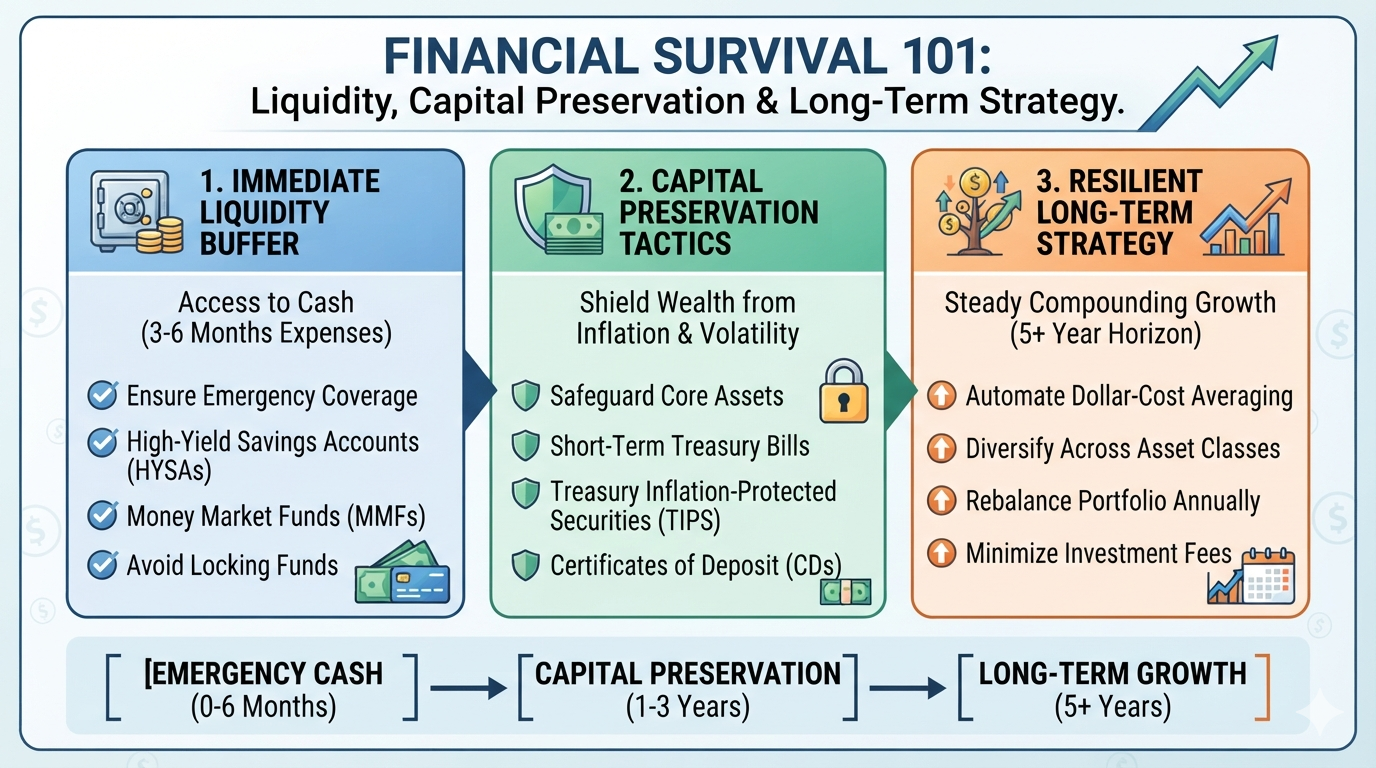
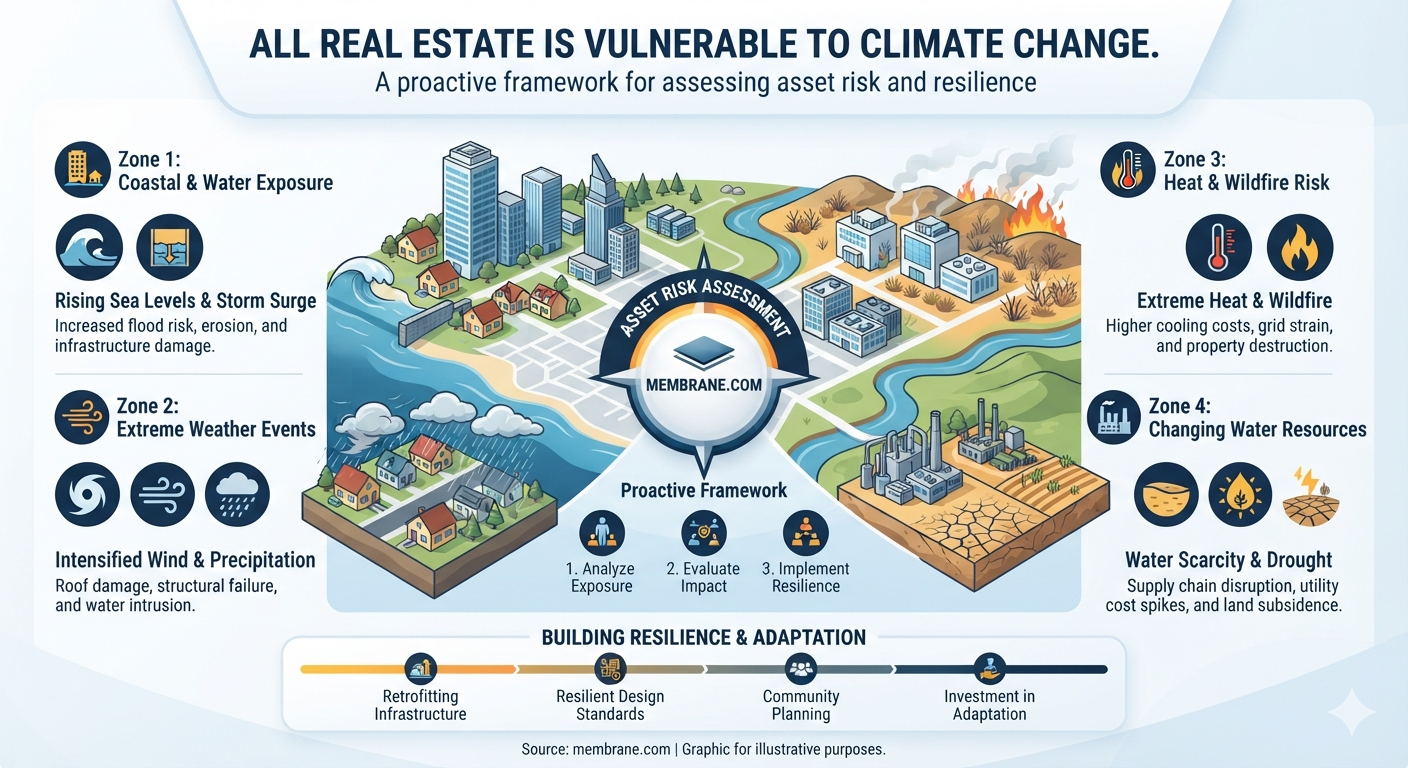
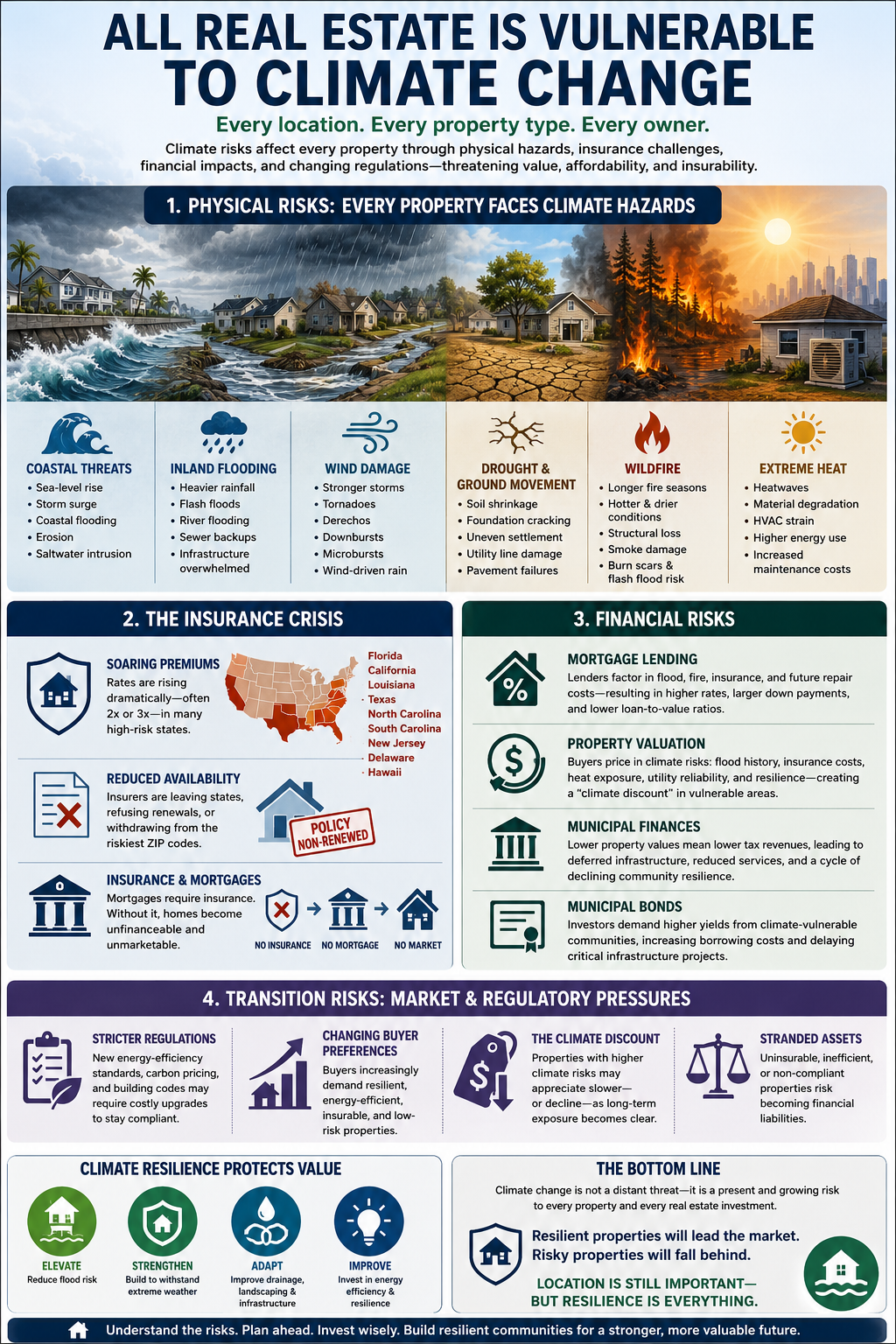
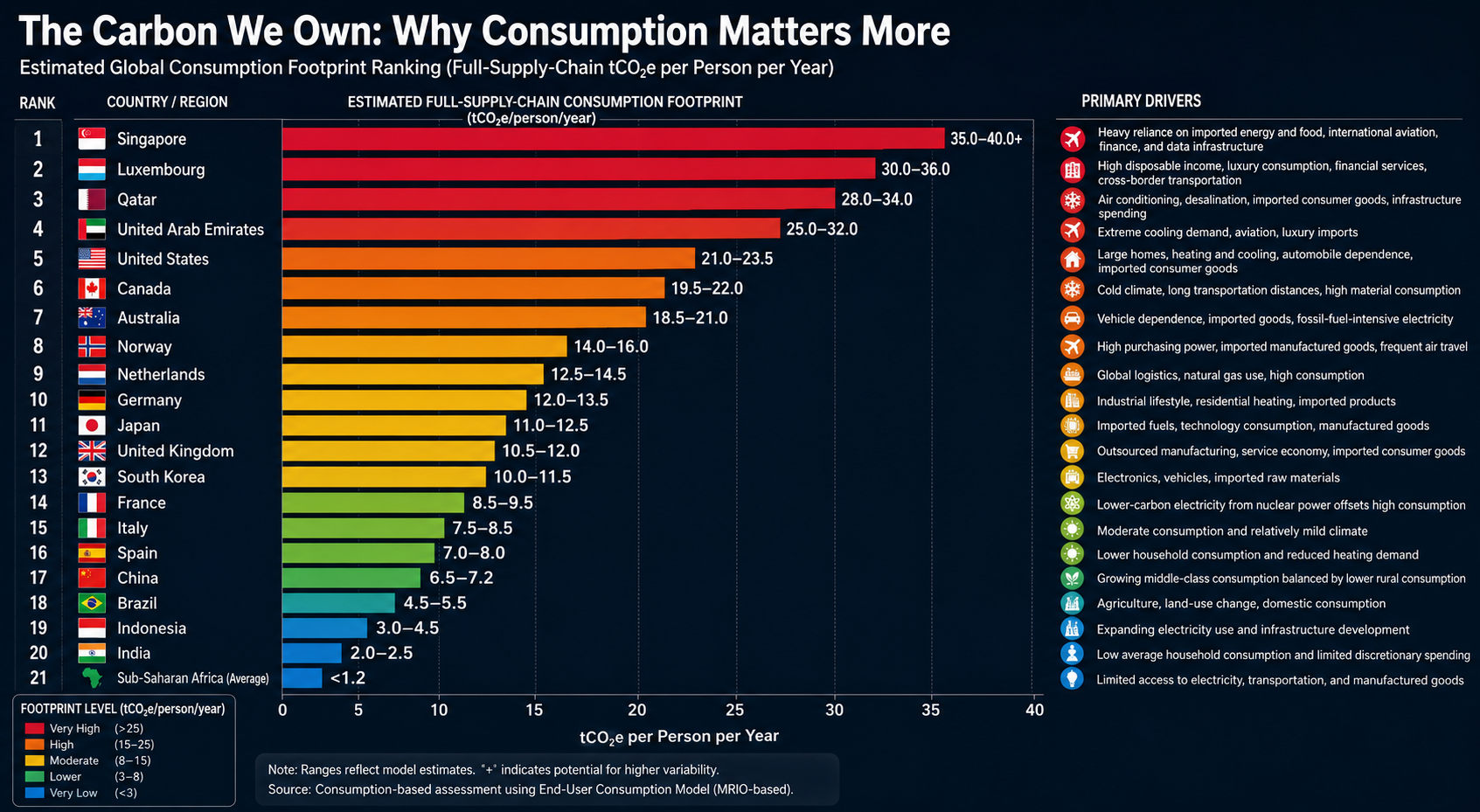
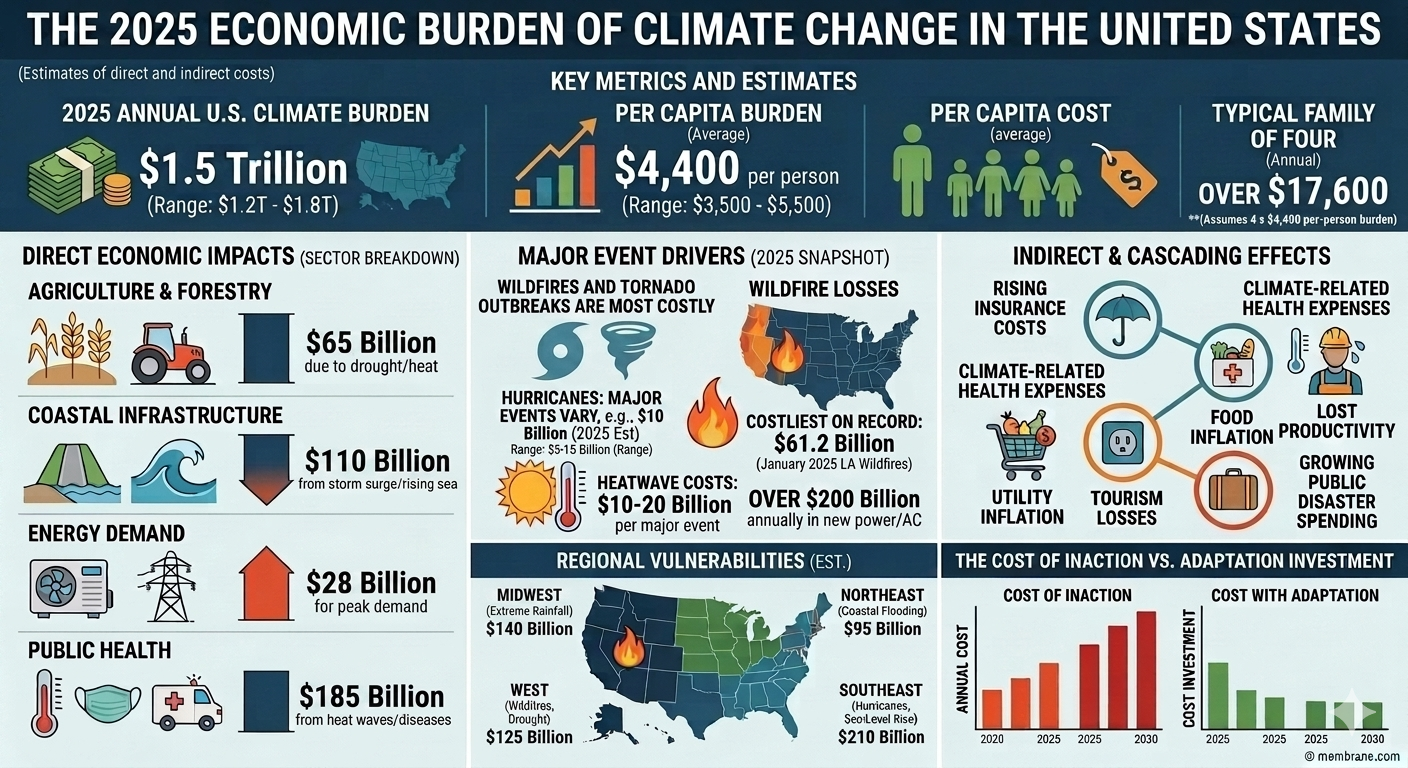
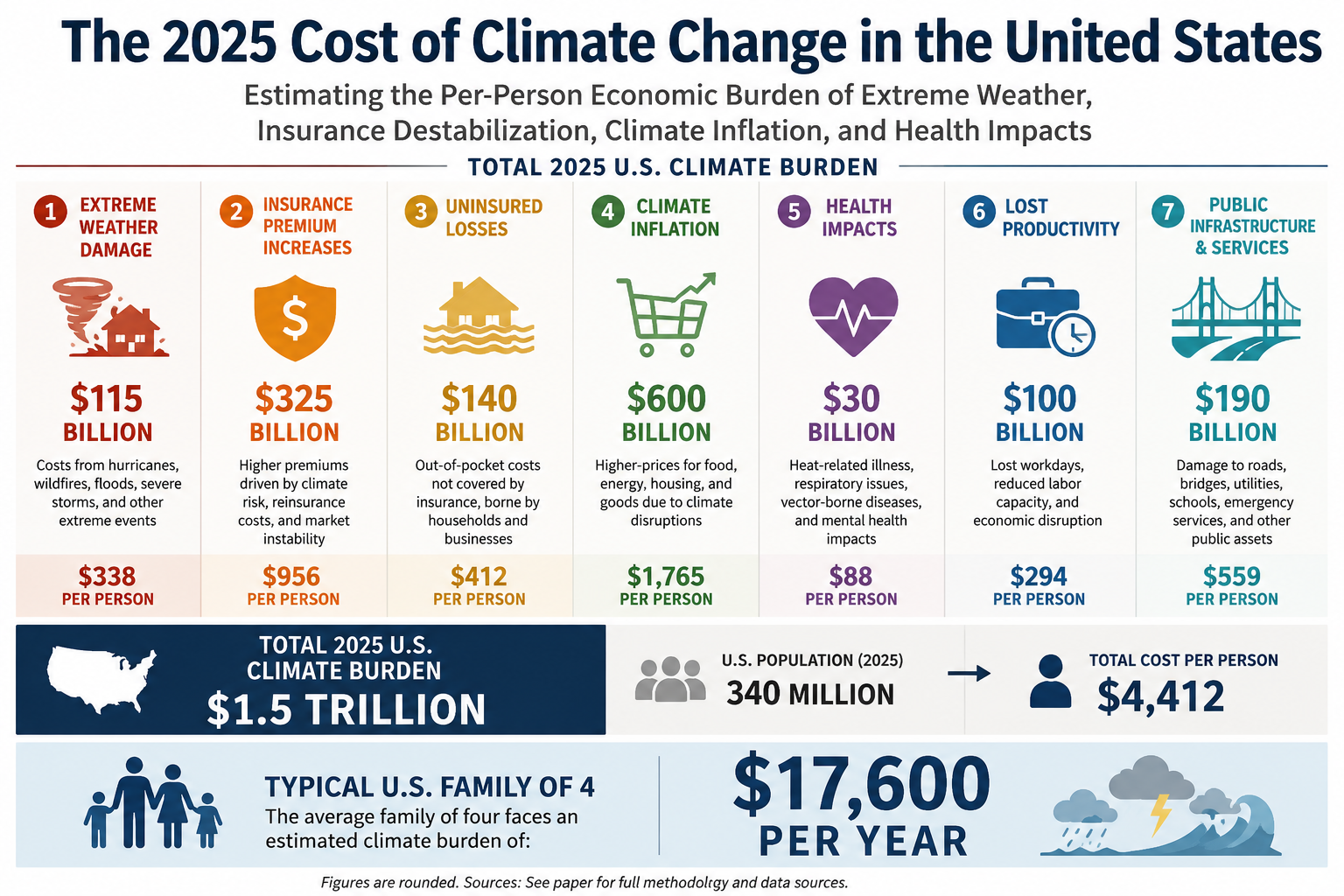
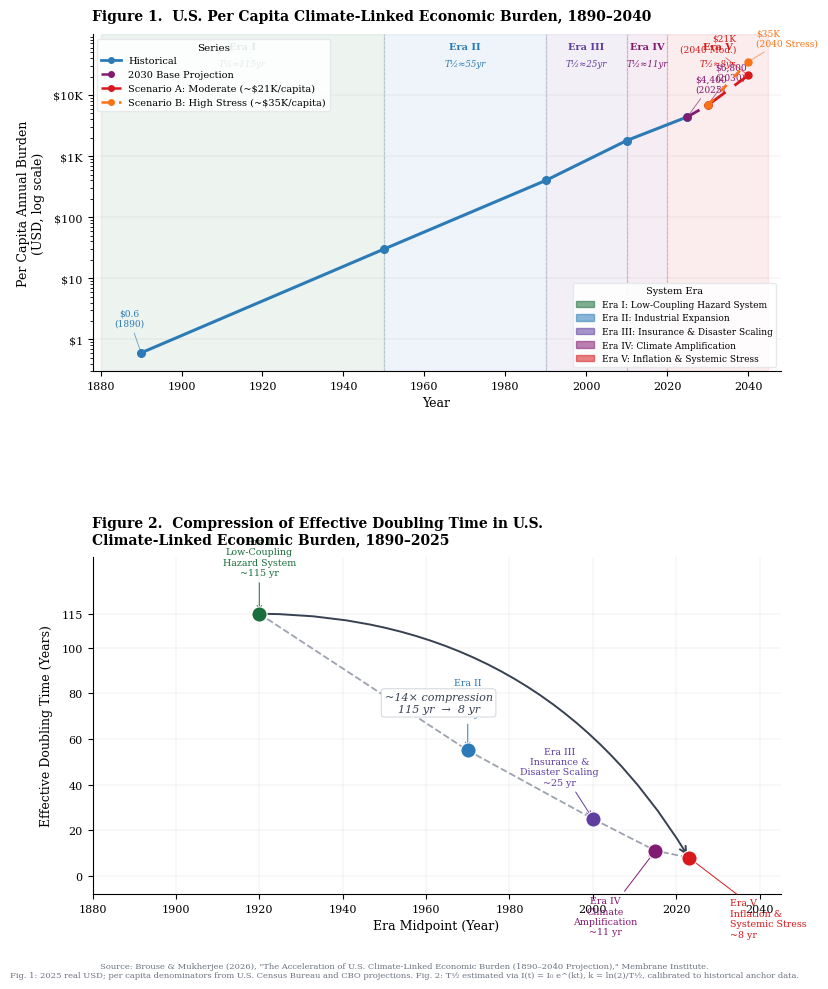
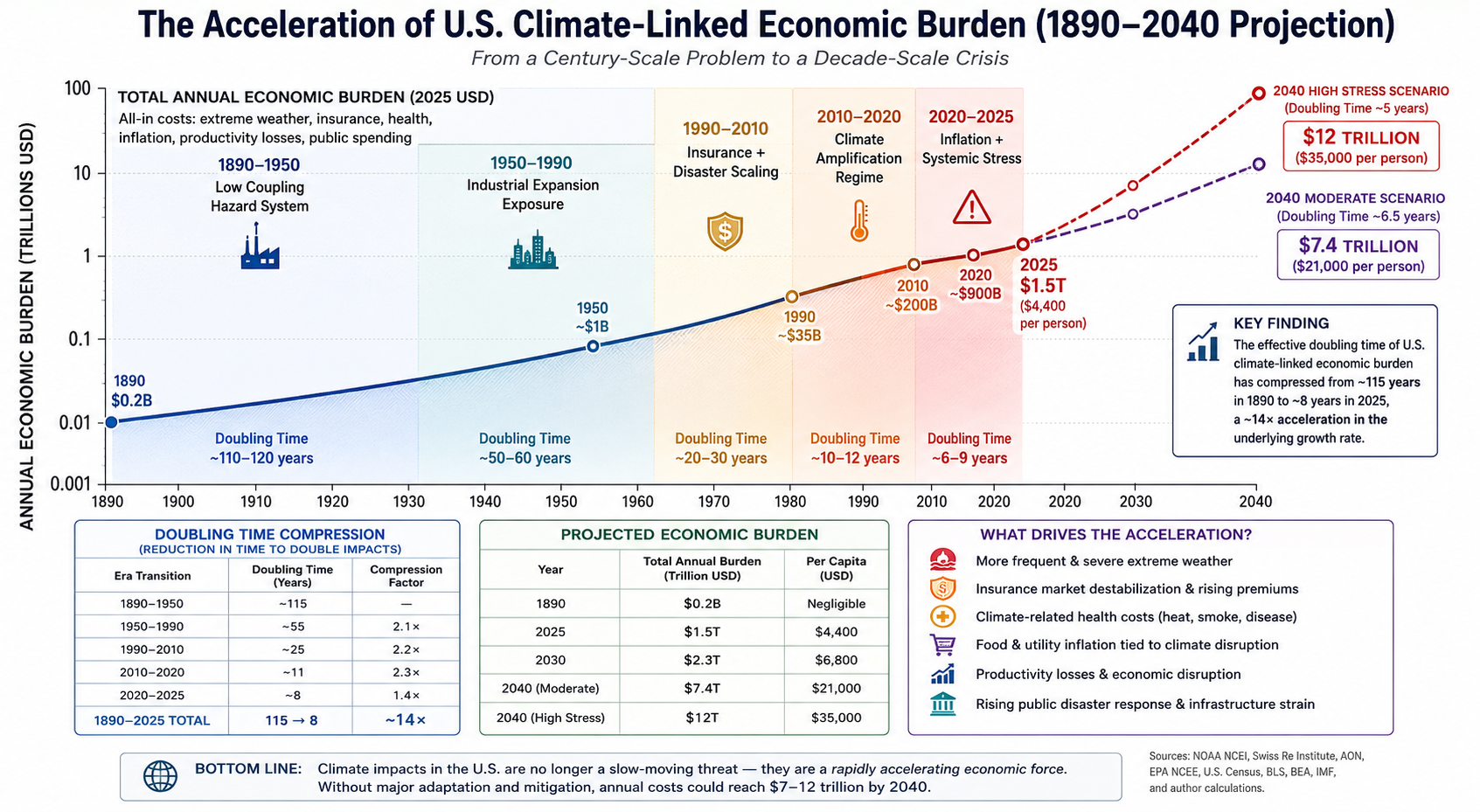
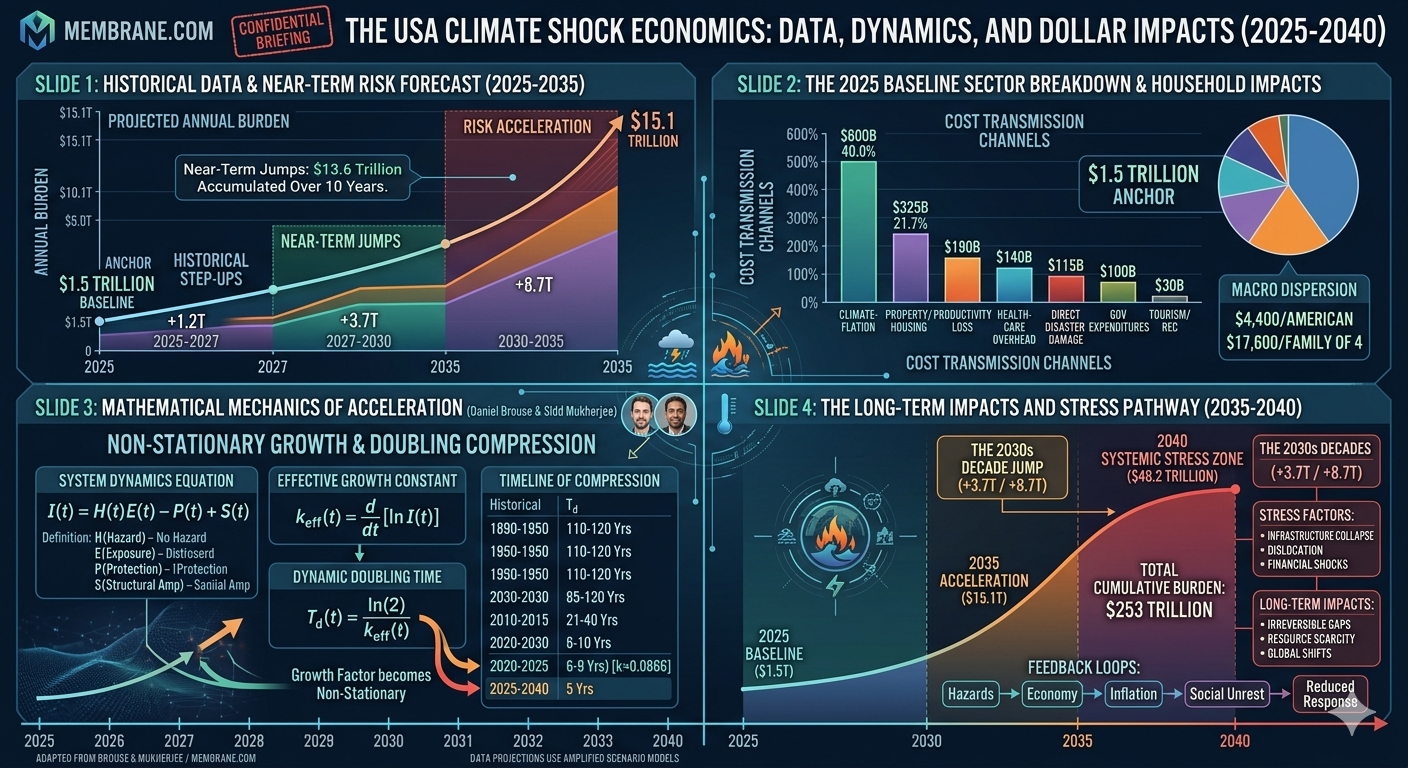
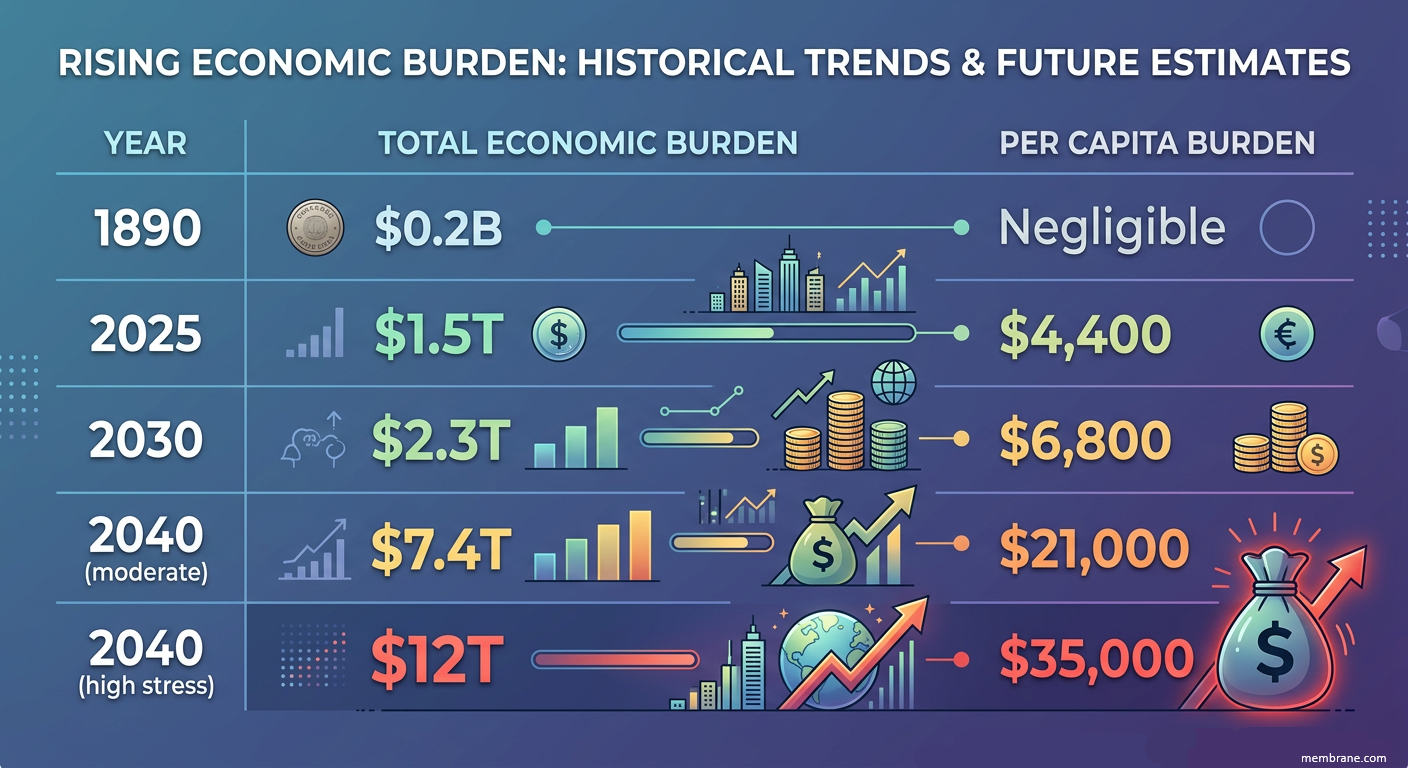
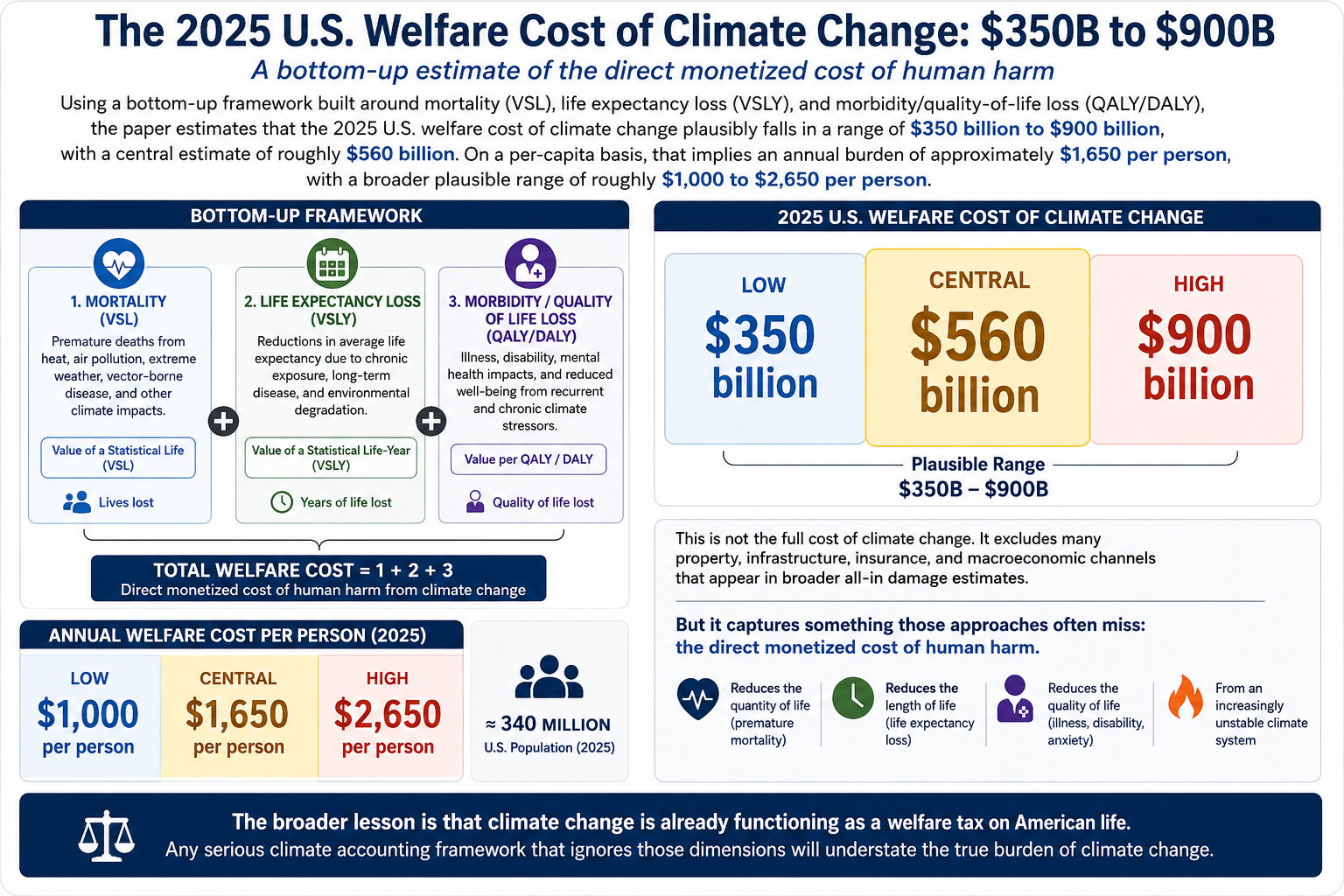
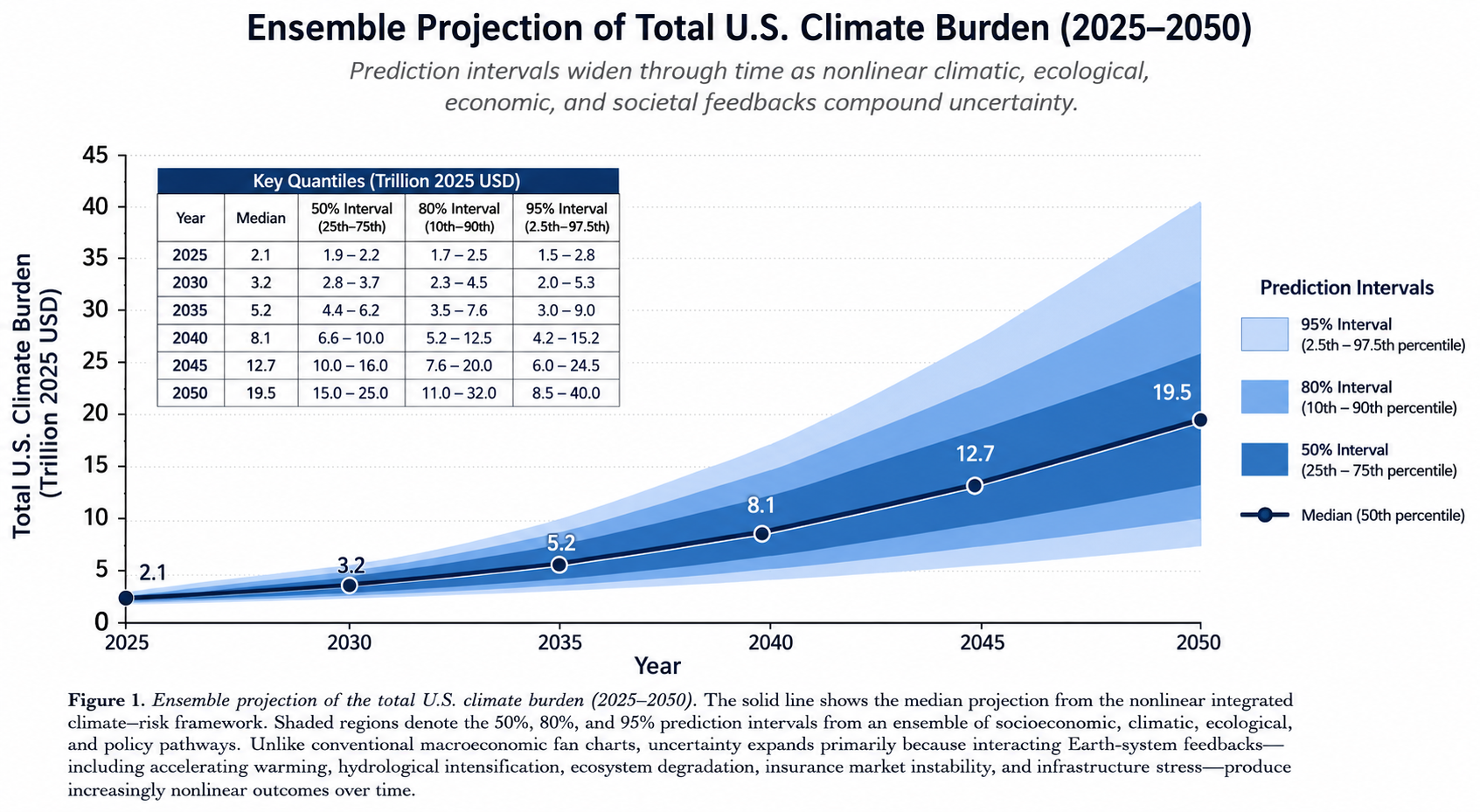
Bottom line: The question is no longer how warm the planet becomes, but how life on Earth can endure when change outpaces our ability to adapt.
We cannot control the laws of physics, but we can control our pollution. The most effective action is to stop burning fossil fuels.